Before June 1982, buying a Canadian lottery ticket meant accepting whatever the terminal or printer gave you. The number on your slip was assigned, and your only decision was how many tickets to buy. Lotto 6/49 changed that with a simple idea. You choose six numbers yourself, and the draw either matches them or it does not.
That small shift in who holds the pen turned a passive purchase into a personal one. People began carrying birthdays, house numbers and jersey numbers to the counter. Canadians who enjoy the arithmetic behind a lottery draw now and then explore spinfin casino to see how one digital game turns a random sequence into a result on the screen in front of them, from the first spin to the payout line that follows.
How the Old Canadian Lotteries Worked
The lotteries that came before 6/49 worked like raffles. A ticket carried an assigned serial number, and a draw pulled winning serials from a drum. Nothing about the ticket reflected a choice, so two buyers in the same queue could not compare strategies because strategies did not exist. That model was cheap to run, since printing numbered tickets in bulk required little technology. Lotto 6/49 replaced the serial with a grid. Players marked six squares out of 49, and matching all six shared the jackpot among every winning ticket.
What the Format Actually Looks Like
Arithmetic is what kept this format alive for decades. Choosing six from 49 produces exactly 13,983,816 possible combinations, which is the figure behind the famous one in almost 14 million jackpot odds. That is long enough to build large rollover prizes, yet short enough that someone eventually wins. Terminals made the process fast, because a printed slip came out in seconds and carried a combination that belonged only to the person holding it, unless another buyer chose the same six. For a country spread across six time zones, that shared yet personal ritual was new, and convenience stores quickly became the place where it happened.
Four details define how a standard draw runs in practice:
- The paper grid lists 49 numbers, and each player circles six of them with a pen.
- Casual buyers could join in cheaply, which kept the weekly crowd large.
- Canadians tune in twice weekly to watch the numbers fall.
- When nobody hits all six, the pot simply swells for next time.
Put next to each other, the old and new tickets differ in four clear ways, set out in the table.
| Feature | Serial number lottery | Lotto 6/49 |
| Source of the digits | Printed by the operator | Picked by buyer or machine |
| Winning tiers | Usually one or two | Several, from three matches up to six |
| Size of prize | Same every draw | Builds when nobody wins |
| Sense of control | None | Strong, even though odds stay equal |
Why Choosing Felt Different
Psychologists call it the illusion of control. Scribbling your own sequence makes the result feel partly yours, even though the machine ranks every single sequence equally. A tidy row from one to six looks suspicious to buyers, but the drum cannot tell it from any scrambled line.
Pencils crowd around birthdays, leaving squares past 31 emptier than the ones near the top left. A jackpot that lands on a seldom chosen line is divided among fewer claimants, although the chance of landing there stays the same. It is a small trick, and it is the only one the grid offers. The machine option scatters picks across the whole grid, which is why plenty of regulars hand the choice to the terminal and skip the pencil entirely, trading the personal touch for plain speed.
How the Draw Stayed Fair
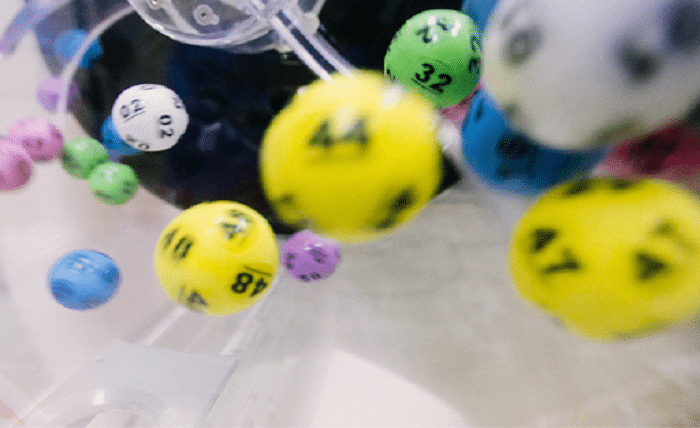
Fairness depended on a public, auditable process. Cameras filmed the balls leaving the machine, and viewers at home saw each result live on screen rather than trusting a printed notice posted afterwards. The televised draw became a weekly ritual in many living rooms, and it gave the product a credibility the older serial games never had. Sitting at home with a ticket in hand, a viewer could follow the six winning numbers drop one by one and check them for themselves without ever leaving the sofa.
Extra add on games have crept in since 1982, but the six number grid is still the core. Almost every Canadian number game launched since has leaned on that same blueprint. Choice, a transparent draw and a jackpot that climbs when nobody wins are still the three ideas that keep a lottery interesting, and Lotto 6/49 was the first to put all three on one slip of paper.